Retrofit insulation in Sparks NV - gaps sealed first, then filled evenly
Hot upstairs, drafty rooms or a power bill that keeps climbing? We add insulation to the house you have, after checking what's up there.
Request an estimate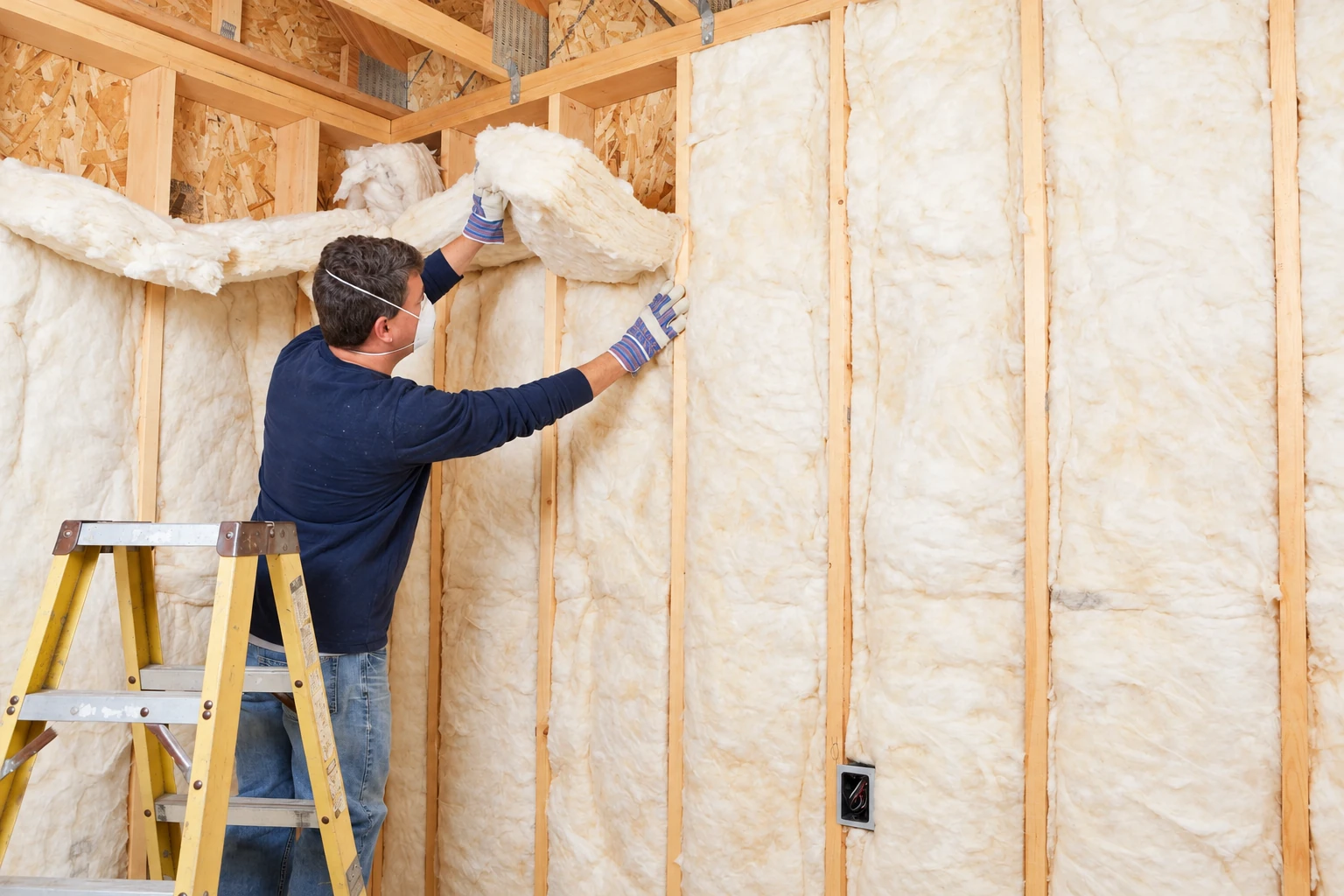
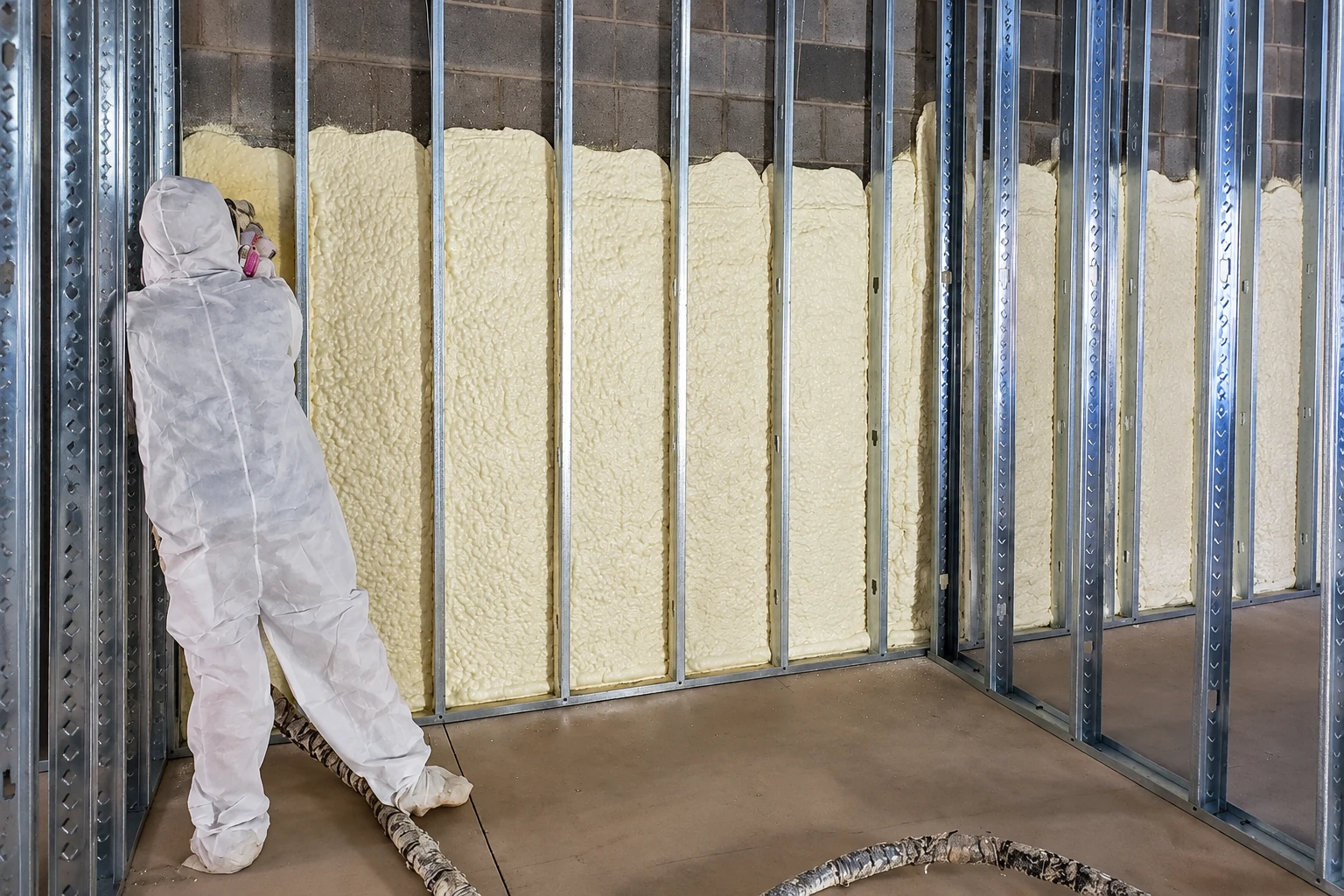
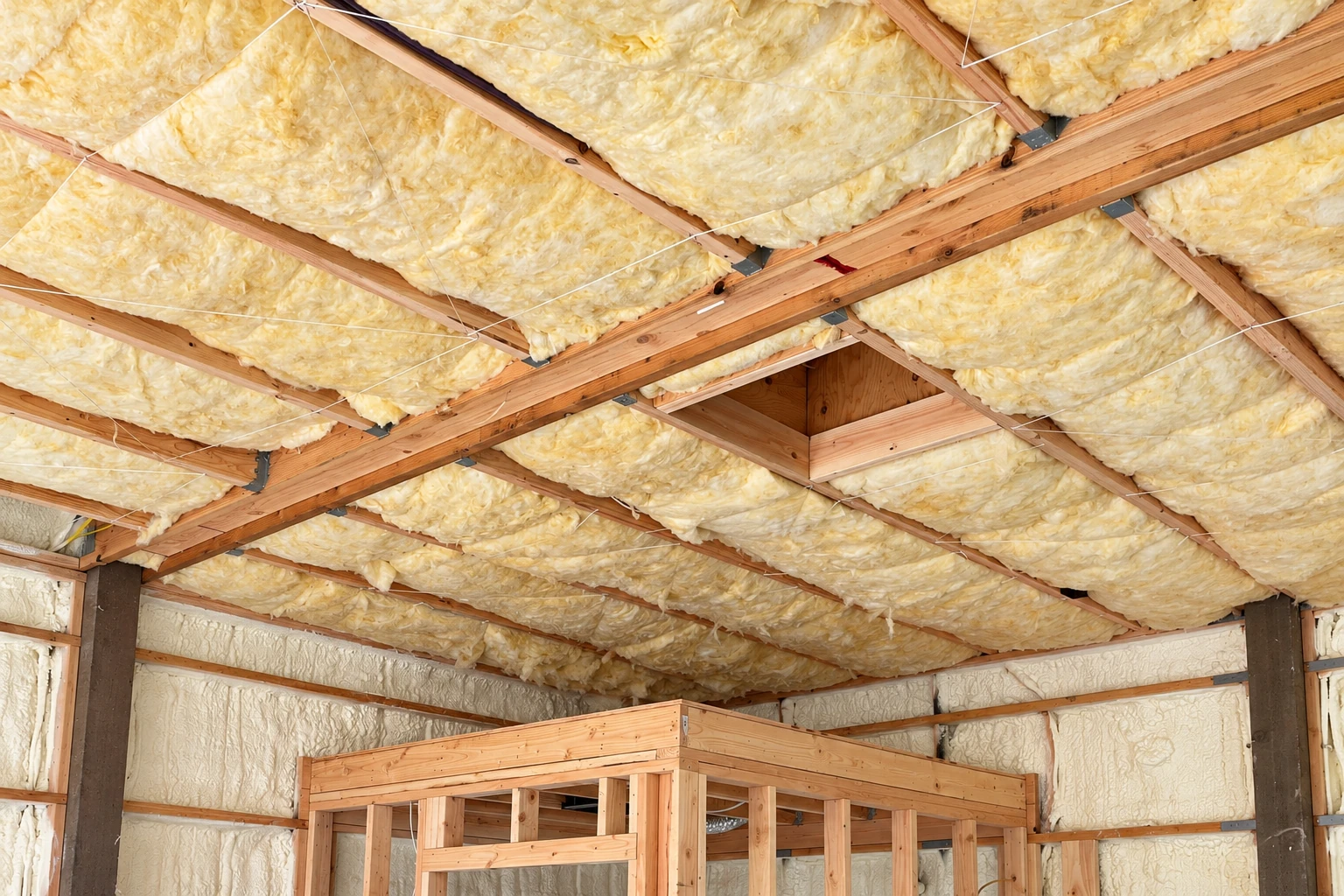
Can you add insulation to a house that already has some?
Retrofit insulation in Sparks is blown-in insulation, loose fill blown through a hose, added to a house that's already built, either over the attic floor or into the exterior walls, so your rooms stop losing heat through the ceiling and through walls nobody ever filled.
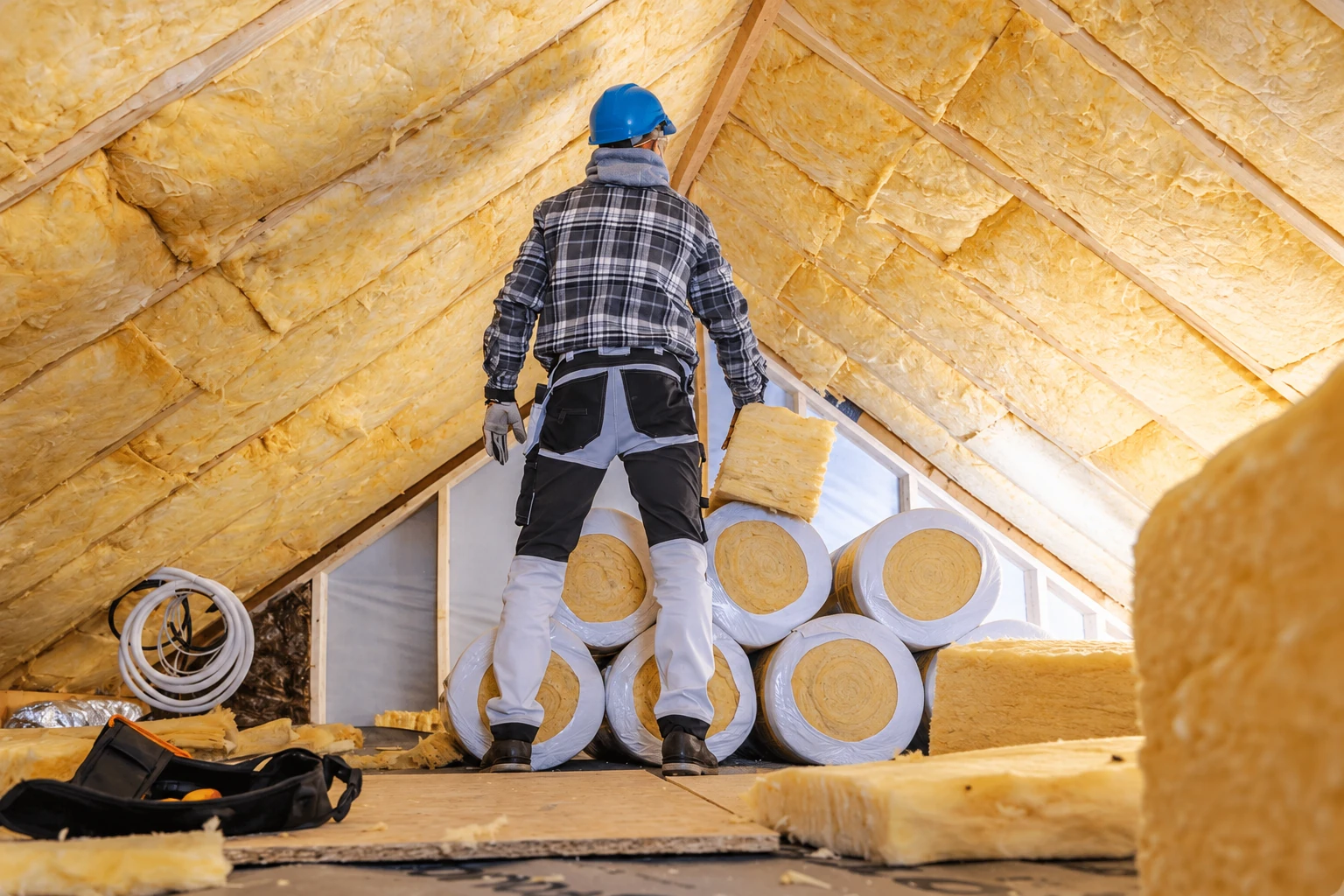
Most calls start with a room over the garage that won't stay warm, an upstairs that's hot by afternoon, or a bill that keeps creeping up, and when I climb into the attic I usually find a few inches of old, settled material with gaps around the pipes and the hatch. The price turns on how much ceiling and wall we're covering, whether the old insulation is clean enough to leave or needs insulation removal first, and how many gaps need sealing. The schedule turns mostly on what the attic check finds, because a wiring, mold or pest problem gets fixed before we insulate, and you'll get your own number when I come out and look.
What a retrofit insulation job involves
It starts before anyone's in the attic with a bag of insulation. In an older home I ask the build year and check the attic early for mold, pests and old wiring, so any repair is planned and priced before the insulation goes on the calendar, and I'd rather tell you to fix a roof leak first than sell you insulation that won't do its job. Before we seal anything, I look at your gas appliances and how fresh air gets into the house, because a tighter house still has to be a safe one. Then our crew does the air sealing, closing the gaps around pipes, can lights and the attic hatch so the new insulation isn't fighting a draft. We keep the vents at the eaves open so the attic can still breathe, blow the insulation in at an even depth all the way to the edges instead of piling it in the middle, then clean up and show you what we did.
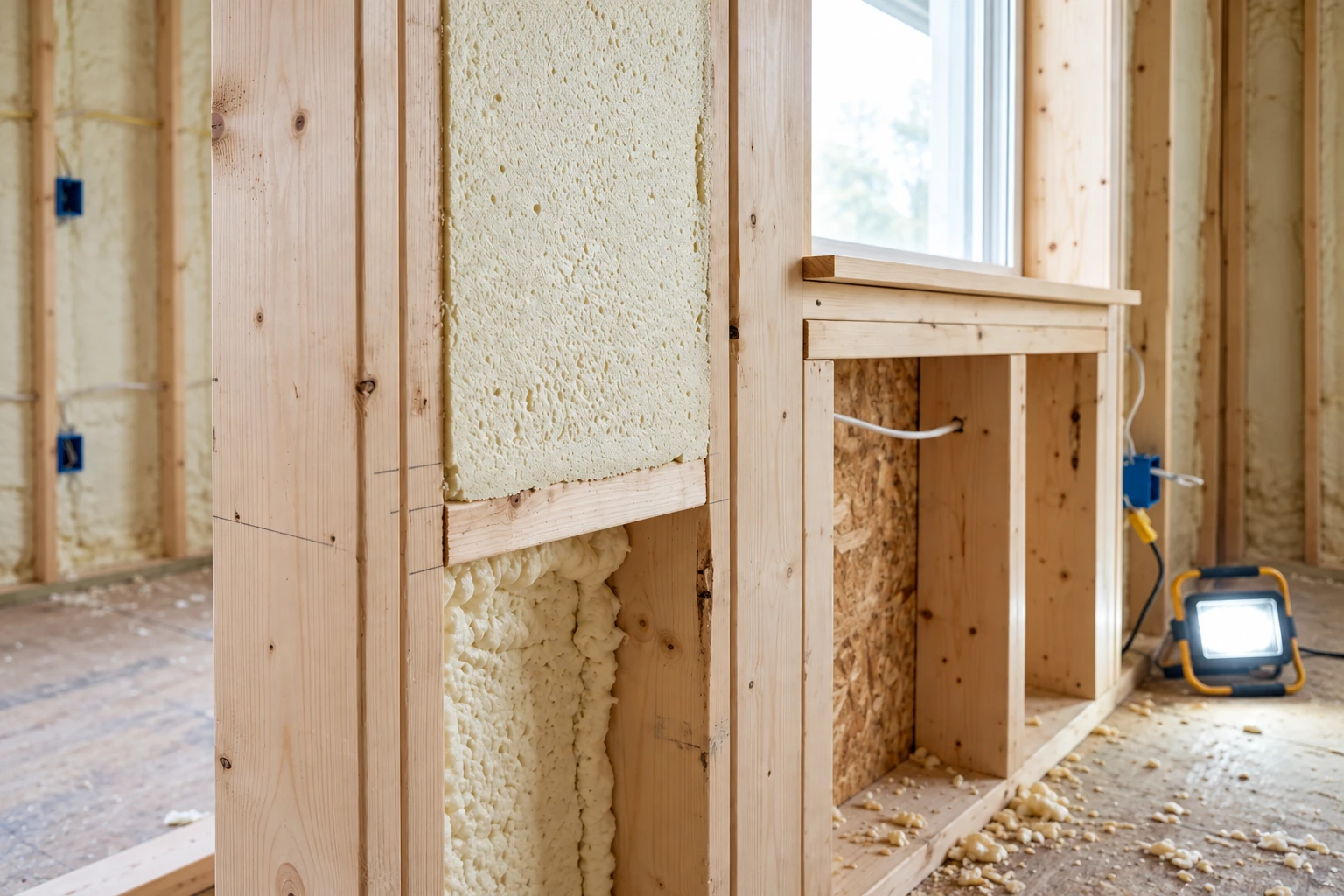
Retrofit work usually ties into the rest of the house. Most of it is attic insulation, topping up or redoing what's already over your ceiling. When ductwork runs through the attic, or a spot needs air sealed and insulated in one pass, spray foam insulation can be the better fit for that part of the job.
Retrofit insulation in Sparks: permits and the houses we see
The City of Sparks says even small home improvement projects may require a building permit, so I won't tell you a retrofit doesn't need one. Before work starts we check with the city or county office for your address, tell you what it asks for, and take care of the permit when your job needs one. Attic insulation should also meet or beat the energy code the city has adopted, so that's the mark we size the job against.
Around Sparks we open a lot of attics nobody has looked at in years, with old insulation settled flat and gaps left around the lights and the hatch, and we find the same on jobs in Reno and Spanish Springs. That's why the attic check comes first, wherever the house is.
Retrofit insulation work up close
Get your attic checked before you insulate
I'll reply within one business day to set a time, then come out to your house for a free estimate with no obligation. I'll look at the attic, tell you what I find and what it would take, and you decide from there.
(775) 447-1072Retrofit insulation questions from Sparks homeowners
How much does retrofit insulation cost in the Reno and Sparks area?
Attic insulation in the Reno area usually costs about $1,500 to $4,900 per job, and that's the going range for attic work, not walls. Where your house lands depends on the size of the attic, whether old material has to come out first and how much sealing it needs. Wall work and any repair the attic check turns up add to that, and you'll see each one on your estimate.
What is the best way to add insulation to existing walls?
Usually drill and fill, where insulation is blown into each wall cavity through small holes made from inside or outside, without tearing the walls open. Filling from outside breaks the wall's drainage plane, the layer that sheds water behind the siding, so it then needs patching or replacing, while filling from inside leaves it alone, which is why I lean toward the inside when the rooms allow it. Walls should be checked for moisture first, and knob and tube wiring has to be dealt with before anything goes in, because the electrical code doesn't allow insulation around it.
Why do you seal the attic before adding insulation?
Every opening in the attic floor should be sealed before insulation goes in, because air moving through those gaps carries heat and moisture right past the new material. Sealing saves energy, lowers fuel bills and helps keep moisture problems out of the attic, so expect it as part of any good attic job, ours or anyone's.
What has to be fixed in my attic before new insulation goes in?
Knob and tube wiring, vermiculite insulation, mold and pests all need to be repaired or dealt with before a retrofit goes ahead. Knob and tube is the old wiring run on porcelain knobs, and vermiculite is a pebbly, gray-brown loose fill. If I find any of them, I'll tell you what needs doing and plan around it before anything goes on the calendar.
Does it matter if my Sparks house was built before 1980?
It can, because lead safety rules may apply to homes built before 1980, depending on how much of the inside and outside of the exterior walls gets disturbed. That mostly comes up with wall work, and it's one reason I ask your build year before I come out.
How long does retrofit insulation take, and do we have to leave the house?
It turns mostly on how much we're covering and whether the attic check finds a repair, and I'll give you the timing for your house at the estimate. With blown-in loose fill, people usually stay home while we work. Spray foam has a re-entry time, the stretch before you, the kids and the pets can come back inside, and we go over that with you before the day.
Call about your Sparks home's insulation
Call (775) 447-1072 or use the contact form with your build year and any wiring you know about up there, so I know what to look for before I arrive.